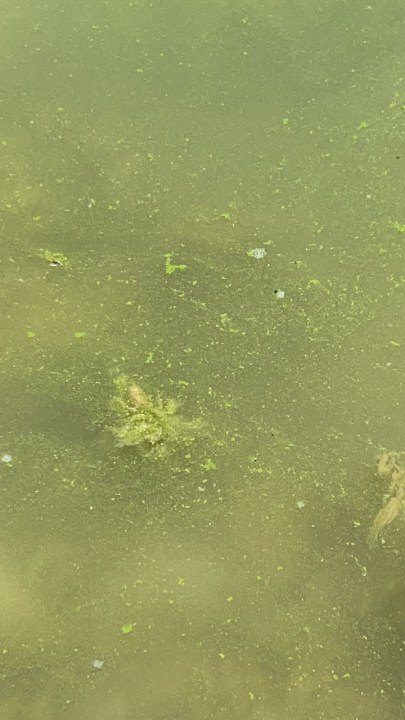
Stay out of Utah Lake. That's the message from the Utah Department of Environmental Quality, which on Thursday, July 30, issued harmful algae bloom warnings for every marina and beach on the lake, including American Fork Marina and Beach.
The advisory means no swimming, wading, or jet skiing anywhere on Utah Lake. Residents should not paddle in areas of algae, and pets should be kept away from the water entirely.
Fishing is still allowed, though anglers must discard the skin and guts of any catch. Boating remains permitted.
Seven sites under advisory
The DEQ warning covers these locations:
- Jordan River at Utah Lake Outlet in Saratoga Springs
- Saratoga Springs Marina Picnic Area
- American Fork Marina and Beach
- Lindon Marina
- Utah Lake State Park
- Spanish Fork River Inlet
- Lincoln Marina
Lindon Marina carries a double advisory: E. coli counts there also exceed safe recreational thresholds.
What the toxins can do
The blooms are caused by cyanobacteria, an aquatic bacterium that thrives in warm, stagnant water with high nutrient levels. Contact can irritate skin, eyes, nose, throat, and lungs. Swallowing contaminated water can cause abdominal pain, vomiting, diarrhea, kidney or liver damage, and neurological symptoms. In the worst cases, the DEQ warns, exposure has caused permanent organ damage or death.
Children and pets face higher risk. Pet owners should watch for excessive drooling, vomiting, stumbling, muscle tremors, or difficulty breathing.
If a person or animal contacts the bloom, the DEQ advises rinsing immediately with clean water and calling the Utah Poison Control Center at 800-222-1222.
Blooms may linger
The DEQ said blooms typically die off within a week or two, but toxins can remain in the water for days after visible algae disappears. Residents can check current advisories at the DEQ's recreational water quality page.
UVU barge fights blooms at the source
Utah Valley University Associate Professor of Chemistry Kevin Shurtleff operates a patented floating filtration barge on Utah Lake five days a week from May through August. The 34-foot craft filters nearly 100,000 gallons of water daily, removing roughly 60% of algae in a single pass.
"We try to keep the blooms down where people recreate: marinas, beaches, and parks," Shurtleff told ABC4 on Wednesday, July 29. "Unfortunately, when we aren't able to get to an area for a while, we do start to see HAB warnings for that area."
The program, launched in 2022, costs about $40,000 a year to operate, and each new barge runs over $260,000 to build.