Four Utahns have died after using illegal synthetic kratom chemicals sold at smoke shops and gas stations across the state.
The Utah Department of Health and Human Services (DHHS) announced the deaths Monday, Oct. 5, and urged residents to avoid any products labeled as cat's claw, marked "adults only/21+" or marketed as legal while promising a psychoactive high. The warning follows a July death linked to Buzzers-brand cat's claw tablets purchased at a Utah County smoke shop, according to ABC4.
The Utah Department of Agriculture and Food (UDAF) identified two dangerous compounds in the products: mitragynine pseudoindoxyl (MGPI) and dihydro-7-hydroxymitragynine (MGM-15). Both act as powerful opioids much stronger than morphine, according to the DHHS warning.
The federal Drug Enforcement Administration classified MGPI, MGM-15 and related chemicals as Schedule I controlled substances in August, Gephardt Daily reported.
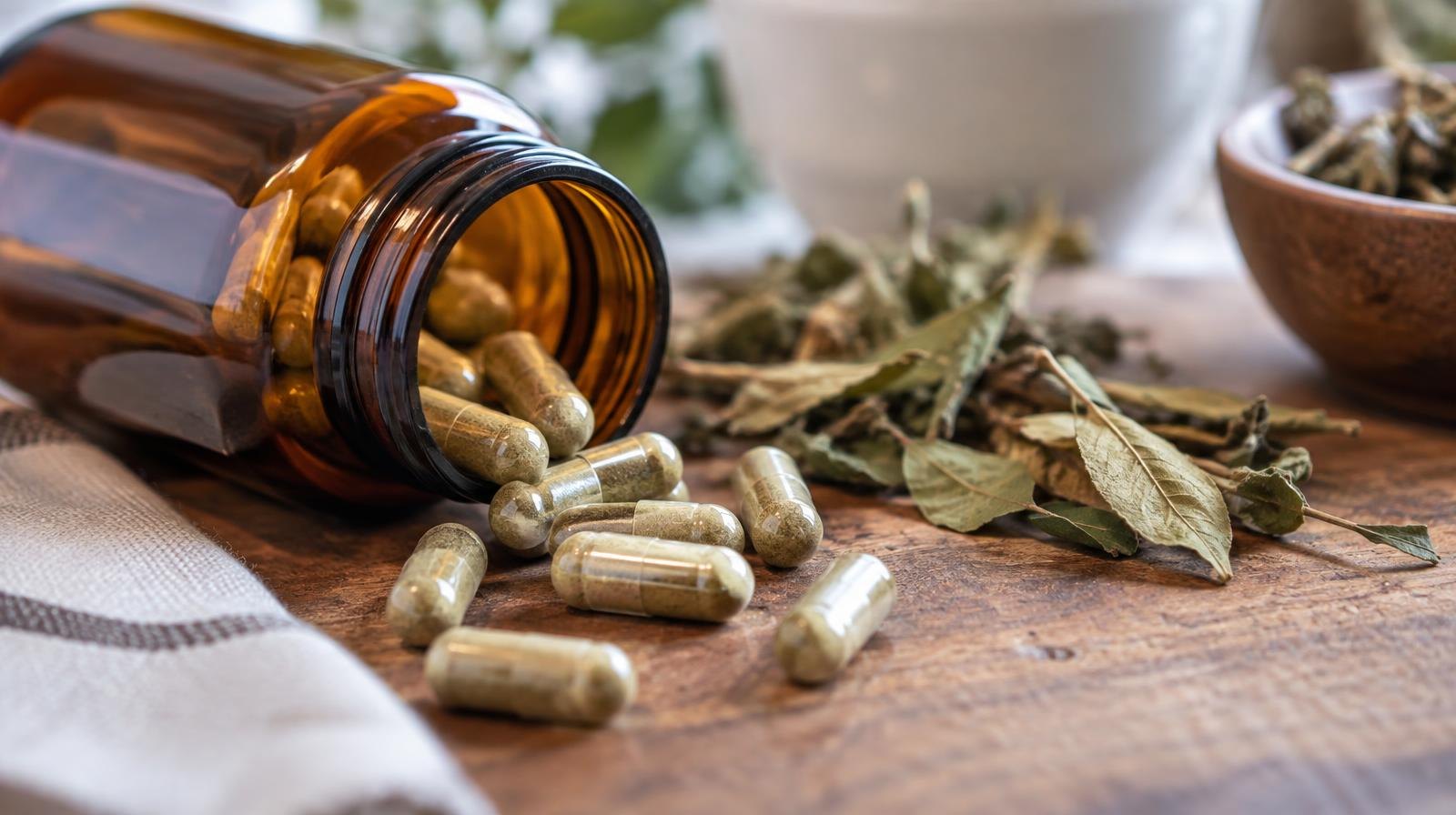
Products are frequently sold under brand names like Buzzers and misleadingly labeled as containing cat's claw or its scientific name, Uncaria tomentosa. Natural cat's claw is not harmful. But lab testing showed these products also contain the illegal synthetic compounds. Labels often claim the product is legal and does not contain kratom, even while warning of strong psychoactive effects.
Under Utah law, only pure, natural leaf kratom may be legally sold. Any product containing kratom extracts or semi-synthetic chemicals is illegal. Despite that, KSL reported consumers can still find them on store shelves.
The Oct. 5 warning is broader than the July alert, which focused specifically on Buzzers-brand tablets. Brandon Forsyth, director of UDAF's specialized products division, acknowledged enforcement gaps in a July 30 ABC4 report on the first death.
"We do inspections regularly, but we can't visit every shop in the state as often as we would like," Forsyth said at the time. "We have a limited number of inspectors and thousands of shops in Utah."
State Sen. Mike McKell, who authored Utah's current kratom law, said in the same July report that he had opened a bill file for the next legislative session and envisioned a full ban on kratom products.
Because MGPI and MGM-15 act on the body's opioid receptors, the overdose-reversal medication naloxone, sold as Narcan, can reverse an overdose. Standard opioid-dependence treatments also work for people addicted to these substances, according to DHHS. Anyone experiencing withdrawal symptoms should seek immediate medical attention.
Residents who spot kratom extracts or semi-synthetic kratom products for sale can report them by emailing [email protected]. The Utah Poison Control Center is available around the clock at 1-800-222-1222 for free, confidential guidance on treatment or potential overdose.