Democrat Ben McAdams and Republican Riley Owen both called for federal regulation of artificial intelligence and water-positive requirements for data centers during their first debate for Utah's 1st Congressional District.
The hour-long exchange Tuesday, Sept. 29, at Salt Lake Community College covered AI, data center development, the Great Salt Lake and Social Security. The Utah Debate Commission organized the event, the Deseret News reported. The district includes Alpine, Highland, Cedar Hills and Lehi.
Data centers have become a top political issue in Utah since spring 2026. A Deseret News/Hinckley Institute of Politics poll of 744 registered voters conducted Sept. 10–15 found 67% of Utahns chose protecting communities from data centers over building them to compete with China.
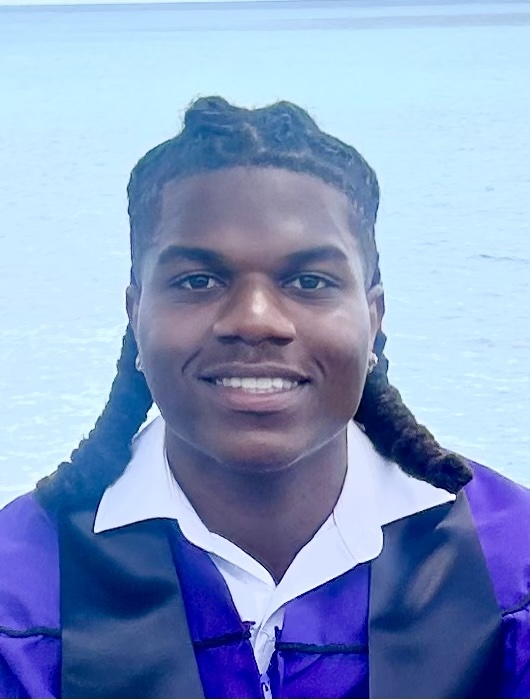
Both candidates staked out similar ground on the issue. Owen, a Navy Reserve intelligence officer and former White House policy analyst, laid out specific conditions for developers.
"My message to developers of data centers is very simple: pay your taxes, be water positive, be carbon negative, don't ruin the grid, and don't ruin our lands," Owen said.
McAdams, a former U.S. representative and Salt Lake County mayor, said data center projects should never take away from the Great Salt Lake watershed. He said they must contribute water to the system and not rely on government subsidies.
On AI, McAdams called for "strong federal guardrails" and said Congress has not done its job to ensure AI benefits all Americans, not just tech billionaires. Owen called AI "the single greatest issue to impact Americans for decades to come."
Owen questioned McAdams' credibility on AI regulation, pointing to a $1 million expenditure on McAdams' behalf by a pro-AI political action committee (PAC) funded by an OpenAI co-founder. McAdams said he did not request the money and it would not affect his commitment to constrain the industry.
The candidates split on the Great Salt Lake. McAdams criticized the state for not going far enough, calling for acquiring water rights to redirect flow from rapid new growth. Owen said federal funding is essential but the state is on the right track. He called for more aggressive modernization of water infrastructure, removing invasive plants and leasing water rights.
On Social Security, McAdams proposed lifting the payroll cap for those earning above $350,000. Owen suggested investing Social Security funds in the stock market. Neither proposed cuts to retirement benefits.
Owen, who won 71.2% of delegate support at the Republican Convention in April, broke from President Trump on trade, immigration and AI during the debate. He called for targeted tariffs on strategic industries rather than broad global levies.
The day after the debate, the U.S. Senate voted 57-43 on Wednesday, Sept. 30, on a procedural vote for the Ratepayer Protection Act, a bill to shield taxpayers from data center grid-upgrade costs. The vote fell short of the 60 needed to begin debate, according to the Deseret News. That result makes it unlikely Congress will pass data center legislation before the midterm elections.
The general election is Nov. 3. No second debate has been announced.
.webp)
.png)