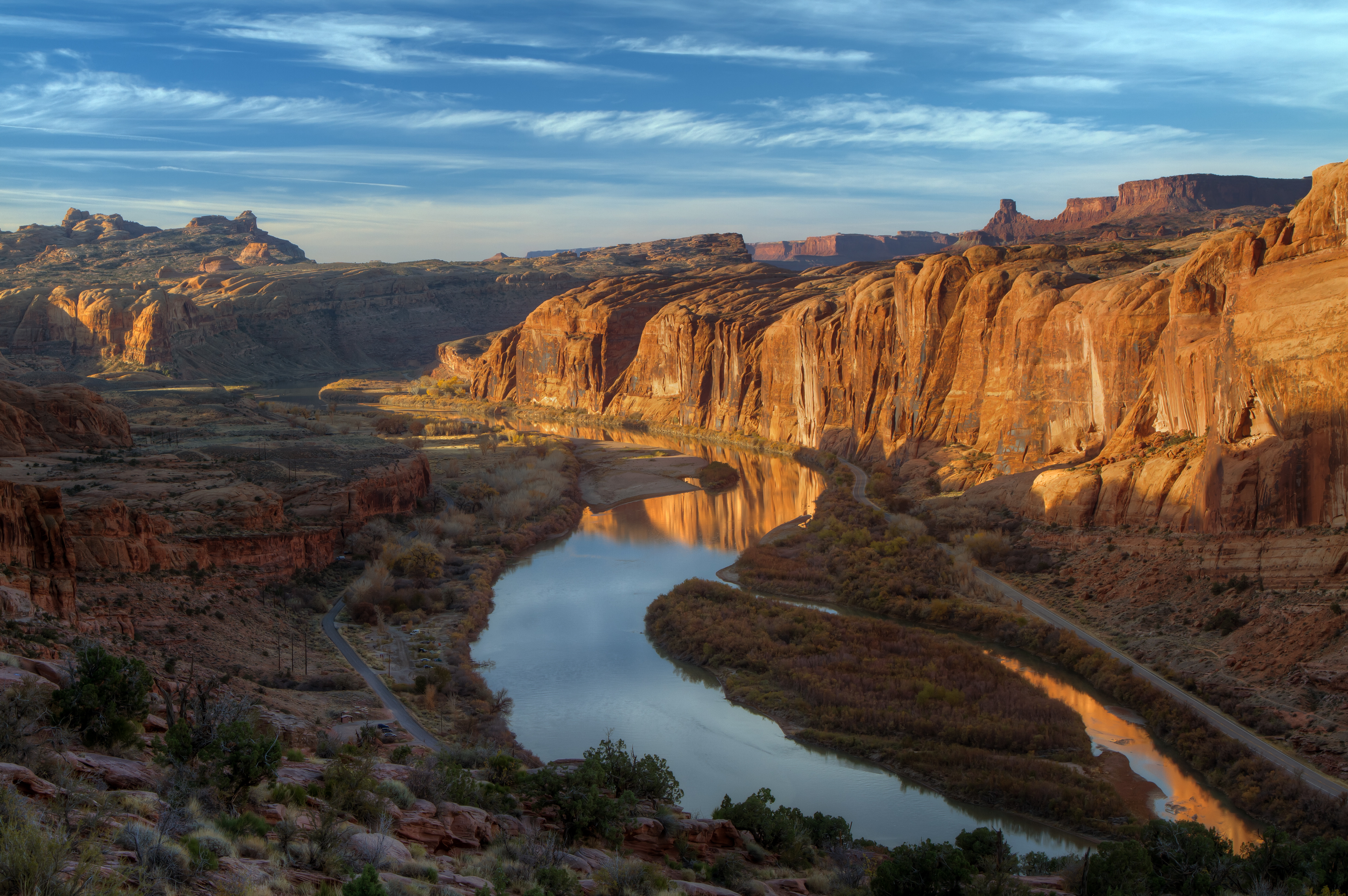
The federal government's new Colorado River management plan puts the burden of water cuts on Arizona, California and Nevada, not Utah. But for Lehi residents still limited to two outdoor watering days per week and Alpine officials weighing a $9 million water bond, the reprieve from mandatory federal reductions doesn't solve the local supply crunch.
The U.S. Bureau of Reclamation released its Final Environmental Impact Statement on Friday, July 31, laying out a 10-year framework for operating Lake Powell and Lake Mead through 2036. Under the preferred alternative, Lower Basin states could face reductions of up to 3 million acre-feet. Upper Basin states, including Utah, would face only voluntary conservation of up to 200,000 acre-feet combined, according to the Colorado Sun.
Bureau of Reclamation spokesperson Mary Carlson told The Center Square that the 3 million acre-foot figure is "the upper end of the sideboard" and should not be interpreted as a guaranteed annual shortage level.
What's still coming
The FEIS is not the final word. The Record of Decision, which will set binding two-year operating guidelines for 2027-2028, had not been released as of Thursday, Aug. 6. It is expected before a December 2026 deadline. The Colorado River Authority of Utah said its top negotiators will brief the media once all three documents are in hand, according to ABC4.
Utah Gov. Spencer Cox joined the governors of Colorado, Wyoming and New Mexico in a joint statement July 31 calling the framework a short-term tool, not a final solution. "We are witnessing the lowest reservoir levels in the Colorado River system's history and there is no guarantee regarding the future water supply," the governors wrote.
What it means locally
The federal plan does not directly lift Lehi's Phase II watering restrictions, which are driven by local supply conditions. As we reported Aug. 5, Lehi residents have saved roughly 382 million gallons since the watering season began May 15, an 18% reduction from 2025. The restrictions, in place since mid-May, respond to drought conditions that persist regardless of the federal allocation framework. The city's water operations supervisor has warned that Phase Three restrictions remain possible through the hottest weeks of summer.
Utah's statewide reservoir storage stood at 54% capacity as of Aug. 1, down from 69% a year earlier. Lake Powell's elevation sat at 3,522 feet in late July, just 22 feet above the threshold where Glen Canyon Dam struggles to generate hydroelectric power.
For Alpine, the long-term supply outlook reinforces the case city officials have been making for the Heritage Hills Well. Steve Burrows, chair of Alpine's Water Citizens Advisory Group, told the city council at its June 9 meeting that "future water conditions pointed toward less available water, not more," urging action on the $9 million bond.
No formal vote date has been set.
Staff estimate the well won't be complete until 2028 even on an aggressive timeline. The public comment period on the draft 2026 Utah State Water Plan closes Aug. 23, and the next Alpine Water Citizen Advisory Committee meeting is proposed for Aug. 27 at 6 p.m. at City Hall.



.png)