The Utah Valley Chamber of Commerce launched a new coalition Oct. 21 to coordinate long-range planning on infrastructure, housing and transportation across a county expected to approach one million residents.
The Utah Valley Regional Alliance (UVRA) brings together leaders from business, government, education and healthcare, according to a chamber announcement. A Board of Governors will guide the group's work on a 10- to 30-year planning horizon, according to the chamber's board page.
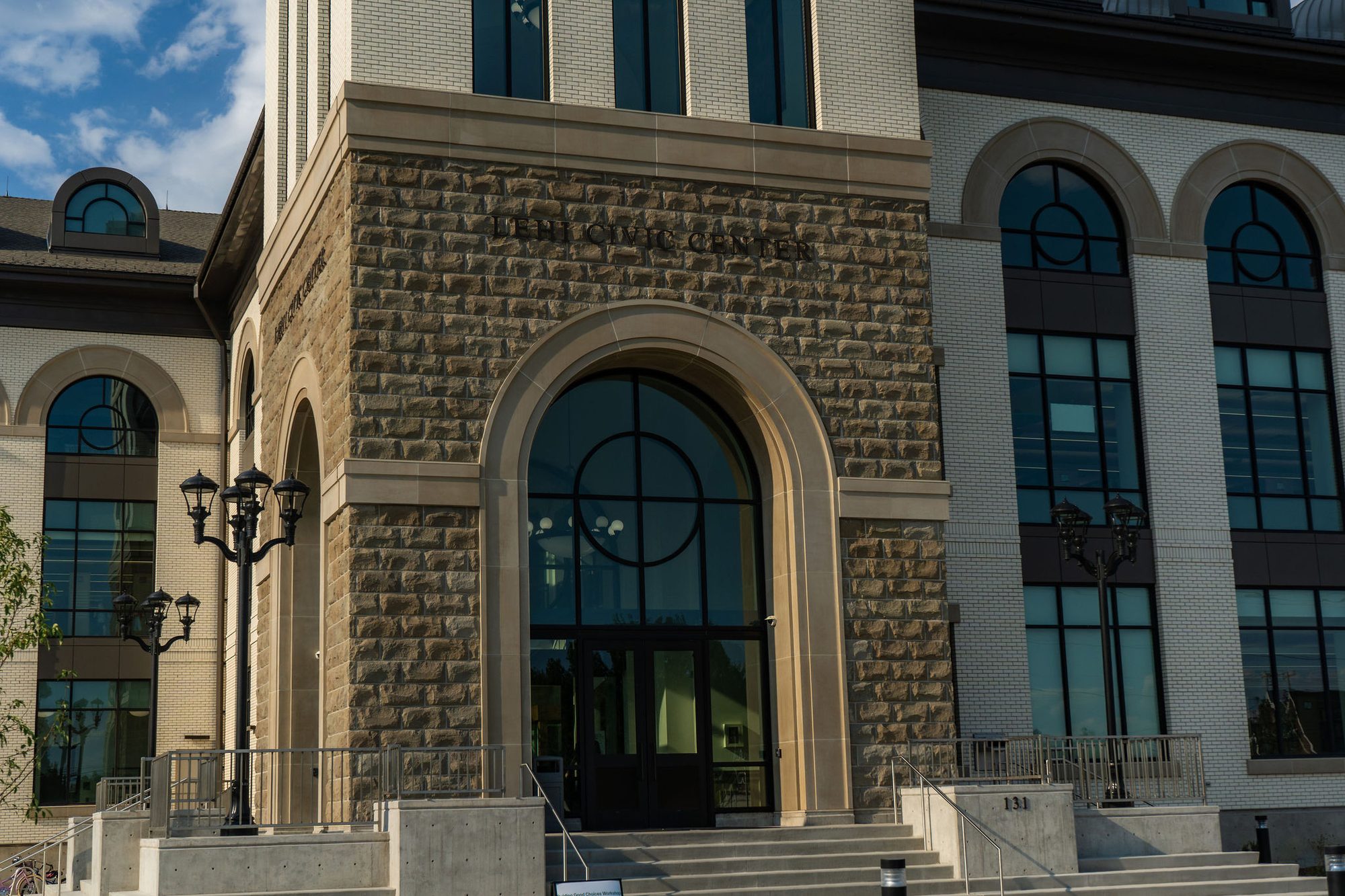
For Lehi, the stakes are concrete. The city ranked No. 3 nationally for economic growth in a SmartAsset study published by Quartz in August. That study scored cities on housing, labor force and GDP growth combined. Housing units in Lehi grew 39% between 2019 and 2024, and its labor force expanded by 67%, the largest labor force increase of any city in the study's top five, Quartz reported.
That pace has strained roads and housing alike. In a May 2024 transportation planning page, Lehi City acknowledged the problem, noting that major roadways built for the future "failed shortly after completion due to inadequate growth projections." Roads like 2100 North and Pioneer Crossing "quickly exceeded capacity after completion," the city said.
Who leads the alliance
Harvey Scott, former chair of the Utah Valley Chamber and chief development officer at Redmond Inc., chairs the UVRA Board of Governors. The board includes 23 founding members drawn from banking, higher education, healthcare, real estate and government.
Among them: Utah Valley University President Jon Anderson, former Utah Gov. Gary R. Herbert, Utah County Commissioner Skyler Beltran, Brigham Young University Vice President Keith Vorkink and Waystar CEO Matt Hawkins.
Curtis Blair, president and CEO of the Utah Valley Chamber, said the alliance fills a gap that no single organization can address alone.
"Utah County is entering a defining chapter," Blair said in the announcement. "The question isn't whether we'll grow, it's whether we'll grow together."
Blair described the chamber as "the voice of business" and the alliance as "the architect of the region."
What the alliance will focus on
The chamber said UVRA will tackle regional priorities including infrastructure, workforce development, housing, transportation, economic competitiveness and public-private collaboration. The announcement also cited decisions tied to the 2034 Olympic legacy as a factor, though specific projects were not detailed.
The group complements the chamber rather than replacing it. The chamber will continue its advocacy, networking and member services. UVRA will focus on regional strategy and long-range planning.
Why it matters locally
Lehi's population has nearly doubled since 2010 as employers along the Silicon Slopes tech corridor expanded, Quartz reported. Corridor salaries have pushed local housing costs up faster than wages for workers outside the tech sector, including teachers and hospital staff, according to the Quartz report.
The UVRA's stated focus areas overlap directly with the pressures Lehi residents already feel. The chamber's materials do not detail whether the alliance holds formal planning authority or how it is funded. Its first public actions and meeting schedule have not been announced.