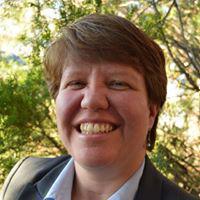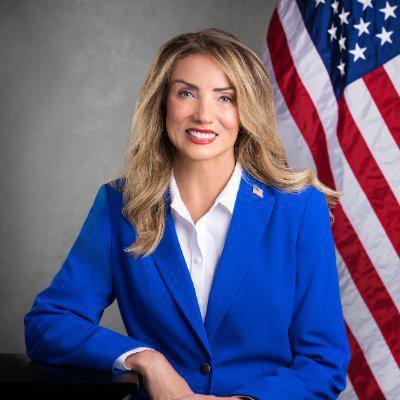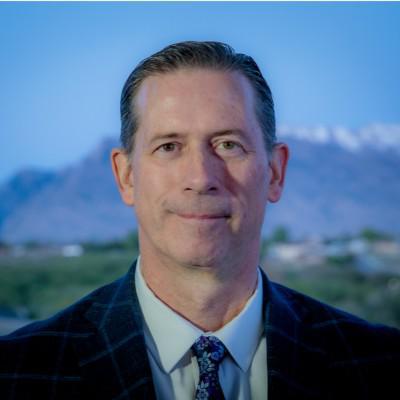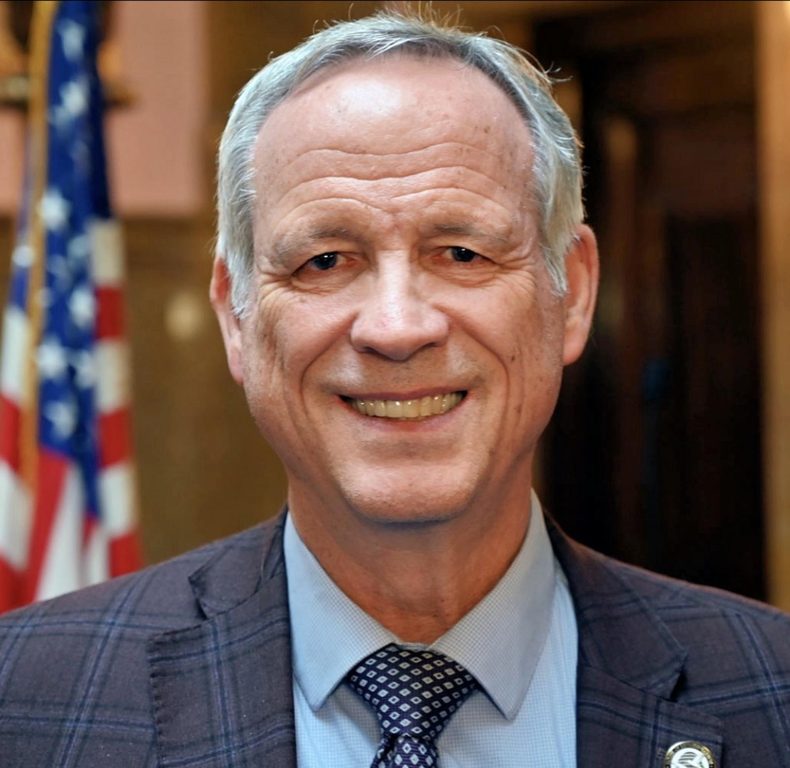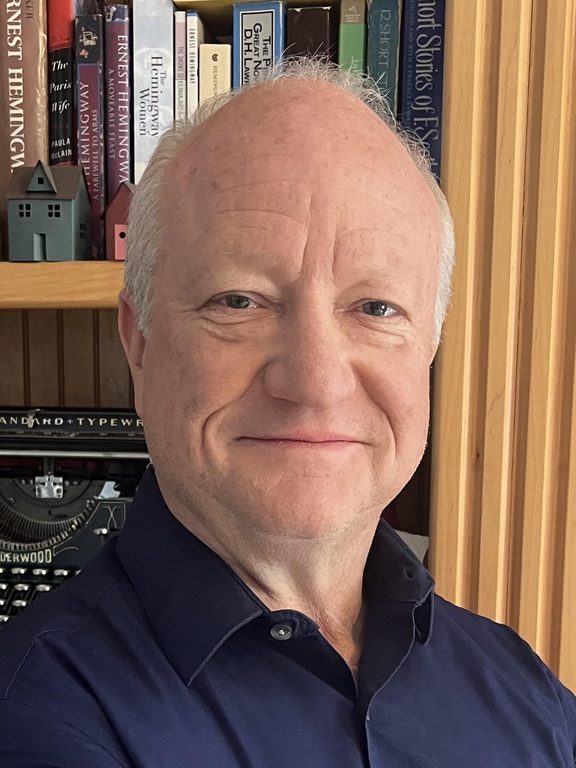
Rep. Mike Kennedy, a Republican, is running for Utah's 4th Congressional District seat in the Nov. 3, 2026, general election.
Kennedy represents Utah's 3rd Congressional District in the U.S. House. He faces three opponents: Jonny Larsen, a Democrat; Steven Burt, an Independent; and Taylor Wright, a Libertarian, according to BallotReady election data. Kennedy is certified for the ballot.
On his campaign website, Kennedy said he has practiced medicine in Utah County for more than two decades and has "seen firsthand how Washington's failure to control inflation, secure our border, or restore fiscal discipline makes life harder for everyday Americans."
Candidate information
- Party: Republican
- Residence: Utah (Utah County)
- Education: Bachelor's degree from Brigham Young University; juris doctor from Brigham Young University; doctor of medicine from Michigan State University
- Family: Kennedy says he and his wife, Katrina, have been married 35 years, have eight children and 12 grandchildren
- Other: Kennedy says he was raised by a single mother alongside six siblings in Michigan and served a two-year mission for The Church of Jesus Christ of Latter-Day Saints
Experience and public service
Kennedy has held elected office at the state and federal levels, according to his congressional biography and BallotReady profile data.
- Utah House of Representatives: State representative, 2013 to 2019
- Utah State Senate: Senator, 2021 to 2025
- U.S. House of Representatives: Representative for Utah's 3rd Congressional District, sworn in Jan. 3, 2025
Kennedy serves on the House Committee on Science, Space, and Technology and the House Committee on Natural Resources, where he is vice chair of the Subcommittee on Federal Lands, according to his congressional committees page. He has worked as a family physician, according to BallotReady, and says he has also worked as an attorney.
On the issues
Kennedy's policy positions below come from his campaign issues page and BallotReady candidate responses. All statements reflect the candidate's own claims.
Economy and taxes: Kennedy says he supports a balanced budget amendment to ensure the federal government cannot spend more than it takes in. He says he advocates for tax relief and wants to cut taxes to lower the cost of living. He says he will work to reduce unnecessary regulations on businesses.
Healthcare: Kennedy says he wants to expand health savings accounts, flexible spending accounts, qualified small employer health reimbursement arrangements and other tools that let individuals set aside pre-tax dollars for medical expenses. He says he supports increasing the availability of generic drugs and letting patients purchase prescriptions from other countries when it is more affordable. He says healthcare decisions should be made by patients and doctors, not Washington.
Border security and immigration: Kennedy says he supports securing the border and equipping border patrol and law enforcement with the staffing, technology and funding they need. He says he wants to fix the legal immigration system so it is "clear, consistent, and fair" while streamlining the process for law-abiding individuals.
Energy: Kennedy says he supports an "all-of-the-above" energy approach and wants to eliminate reliance on foreign oil. He says he will work on energy affordability, reliability and domestic production.
Education: Kennedy says he wants to shift educational authority away from the federal Department of Education back to states and local communities.
Kennedy also describes himself as "100% pro-life" and "100% Second Amendment" on his campaign issues page. He says he supports term limits and reducing lobbyist power.
The positions above are drawn from Kennedy's campaign website and BallotReady candidate responses.